
Sojourner Blog
To receive updates when we post new articles, subscribe to the Sojourner newsletter.
SORT BY DESTINATION
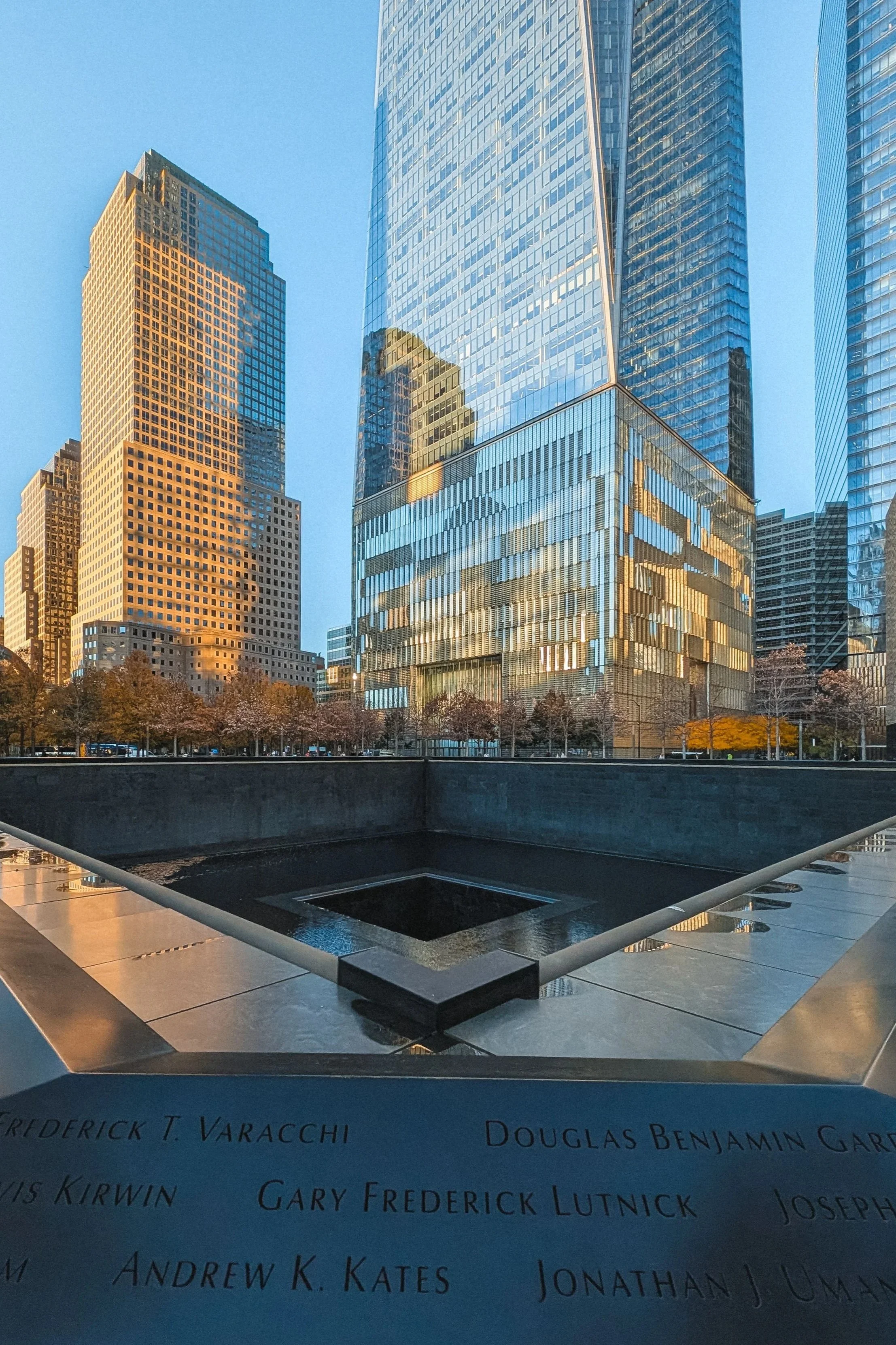
9/11 Memorial & Museum: Visiting the Place Where Americans Died
At Ground Zero — the costliest site of the 9/11 attacks — survivors read the 2,983 names of those who died at the hands of Islamic terrorists on September 11, 2001, and from the Trade Center bombing on February 26, 1983. Among those who read were children of the murdered. Some admitted they have no recollection of their loved ones, only photos or home videos.
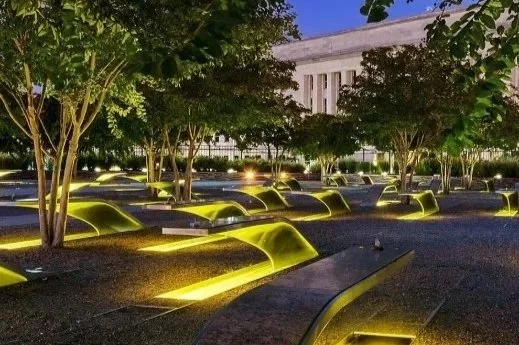
Pentagon 9/11 Memorial
September 11, 2001, started like any other day. Sadly, it would not end that way. Of the 24,000 military and civilian employees who made their daily commute to the Pentagon in Washington, DC, 125 of them would pay the ultimate price, losing their lives when hijacked American Airlines Flight 77 crashed into the west side of the building.
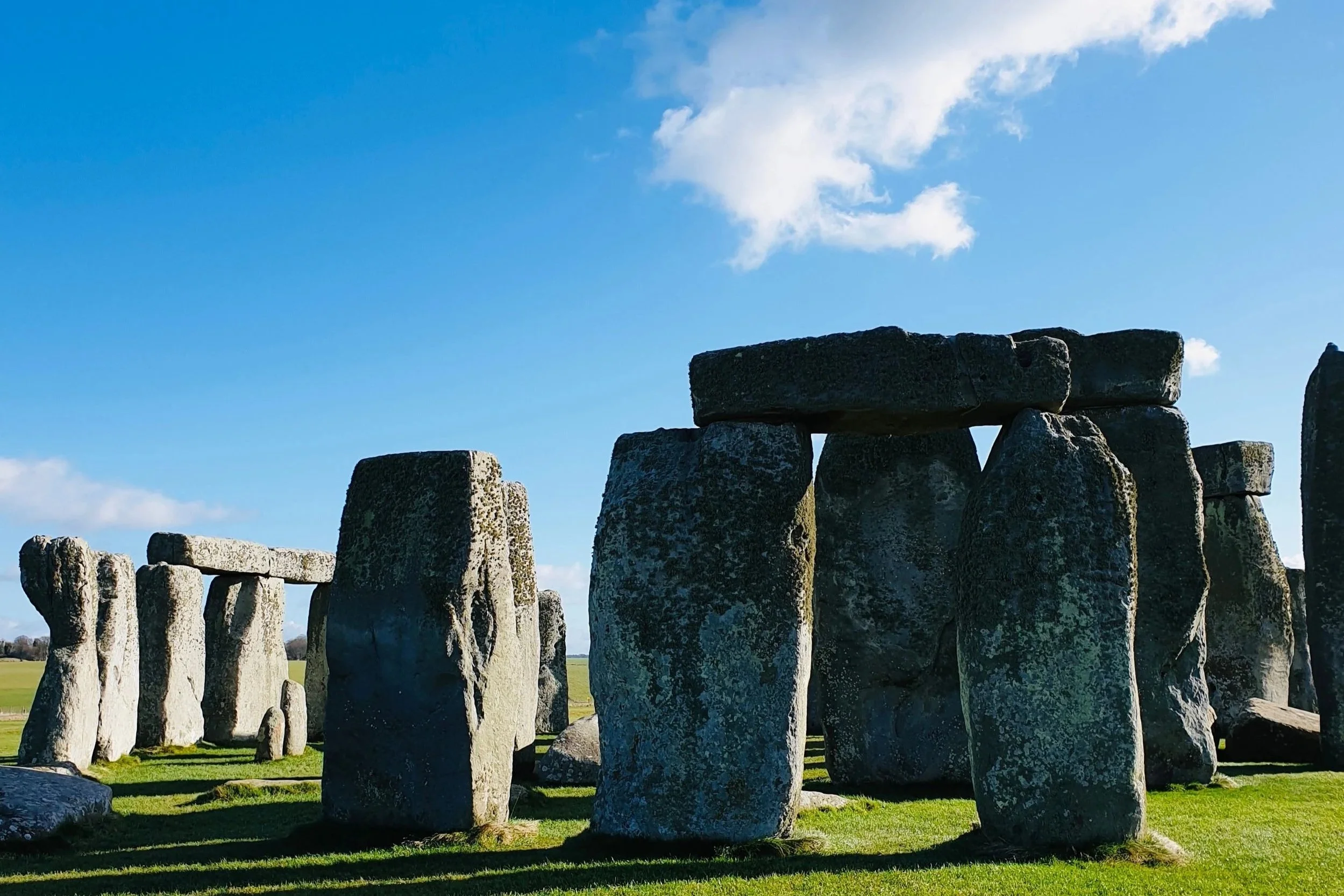
Stonehenge, Old Sarum, and Salisbury Cathedral (Wiltshire County, England)
Wiltshire County in South West England has a life lesson to teach: Formidable foundations of the past produce strong leaders of the future.
In one day, sojourners can explore Stonehenge, a mysterious field of stones reaching 4,500 years into prehistory; Old Sarum, an Iron Age fortress dating back to 400 BC; and Salisbury Cathedral, an 800-year-old house of worship with England’s tallest spire. Each has a story, inviting the curious to contemplate strong foundations that have stood the test of time.
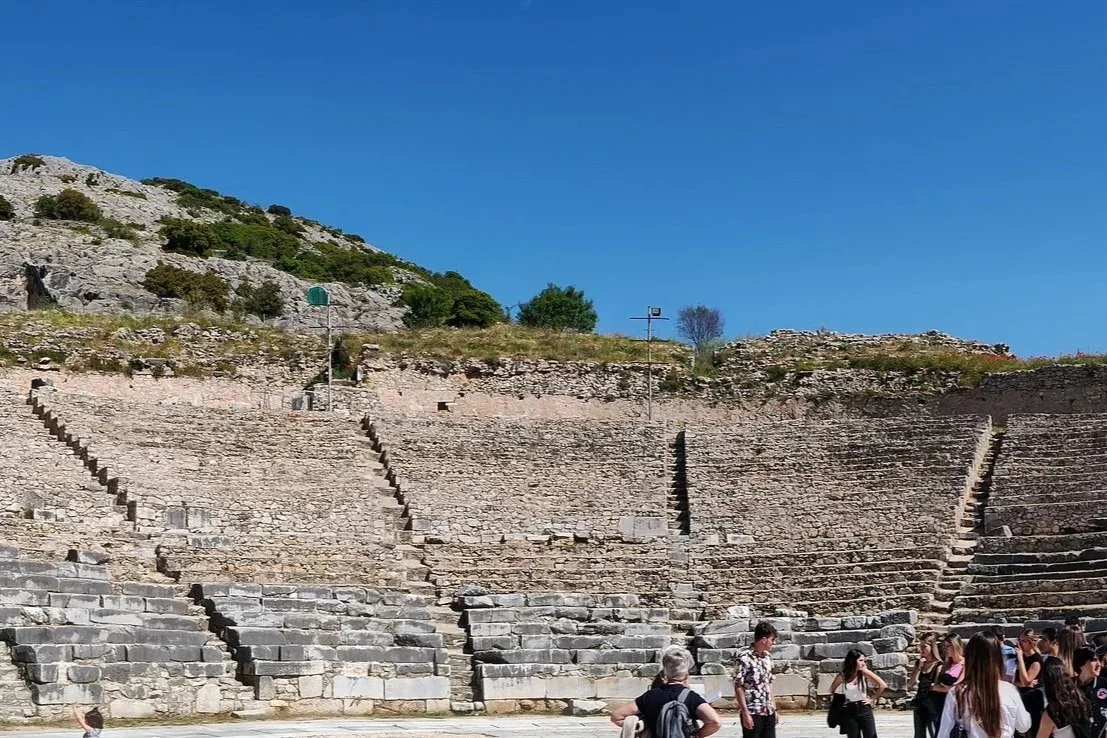
The Macedonian Man
Even if you’ve never sojourned to Philippi before, to enter its ancient ruins may still feel like walking familiar ground. Being here will help you recall from the Scriptures the affection Paul expressed for this first-century church on the northern coast of the Aegean Sea:
I thank my God in all my remembrance of you, always in every prayer of mine for you all making my prayer with joy, because of your partnership in the gospel from the first day until now. And I am sure of this, that he who began a good work in you will bring it to completion at the day of Jesus Christ. (Philippians 1:3–6)
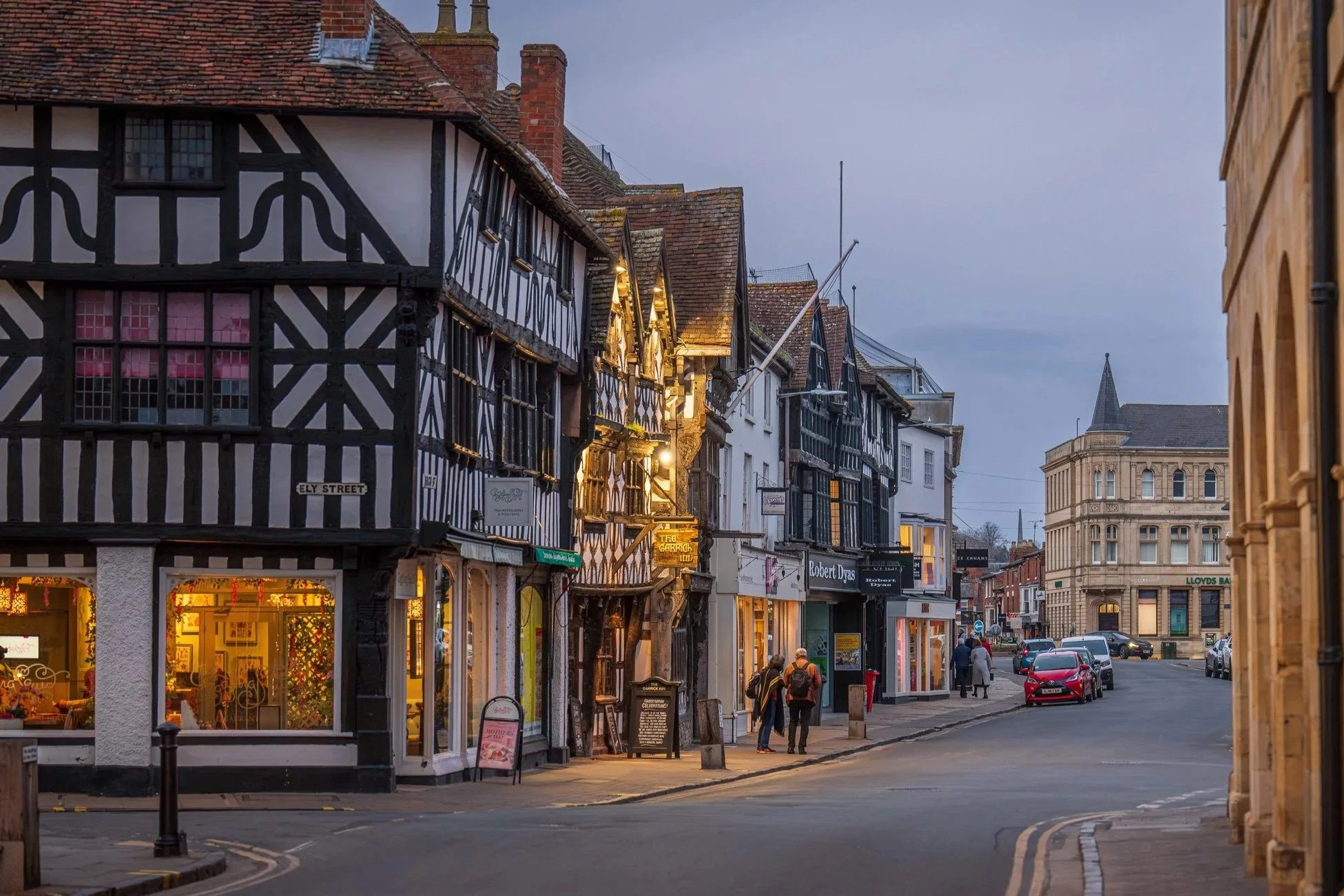
William Shakespeare: Genius or Regular Ol’ Guy?
When you sojourn to Stratford-upon-Avon, you may get the feeling that the bard was superhuman. This may be due to the bucolic setting, the Warwickshire countryside, the peacefulness of being on the banks of the river, or joining throngs of fans in one of the most popular tourist destinations in Britain. William Shakespeare’s legacy draws a crowd.
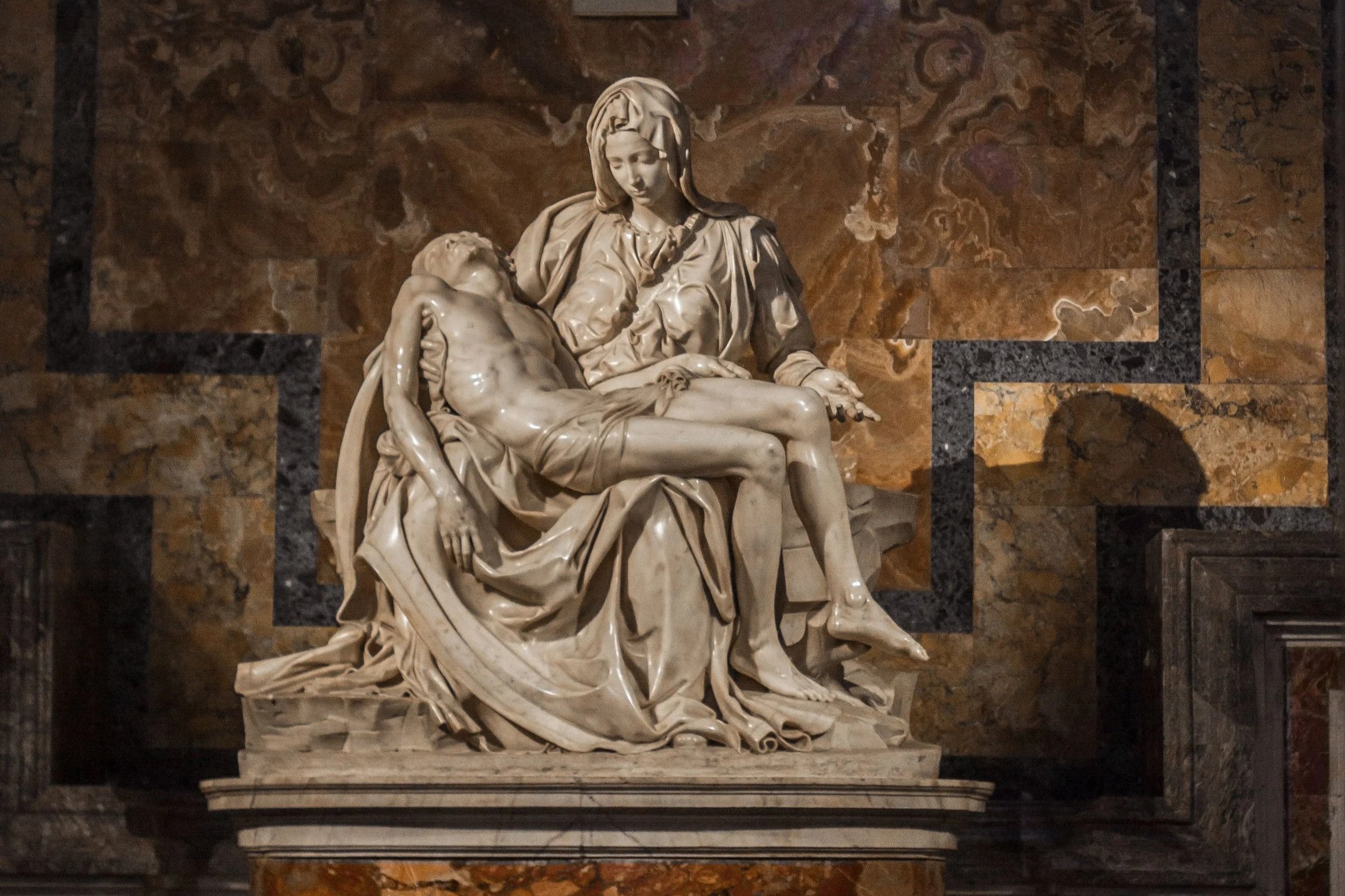
Michelangelo’s Madonna della Pietà
When you sojourn to St. Peter’s Basilica in Vatican City, you will cast your eyes on a Michelangelo masterpiece. The Madonna della Pietà took 23-year-old Michelangelo just nine months to sculpt from one piece of Carrara marble. This five-foot by six-foot sculpture portrays Mary, the mother of Jesus, holding her Son’s body just after He was taken off the cross. Michelangelo’s masterpiece portrays the sixth in the “Seven Sorrows of Mary.”
As you examine Michelangelo’s artistic interpretation of Jesus in the arms of his mother, you are seeing a snapshot of a painful moment in time.
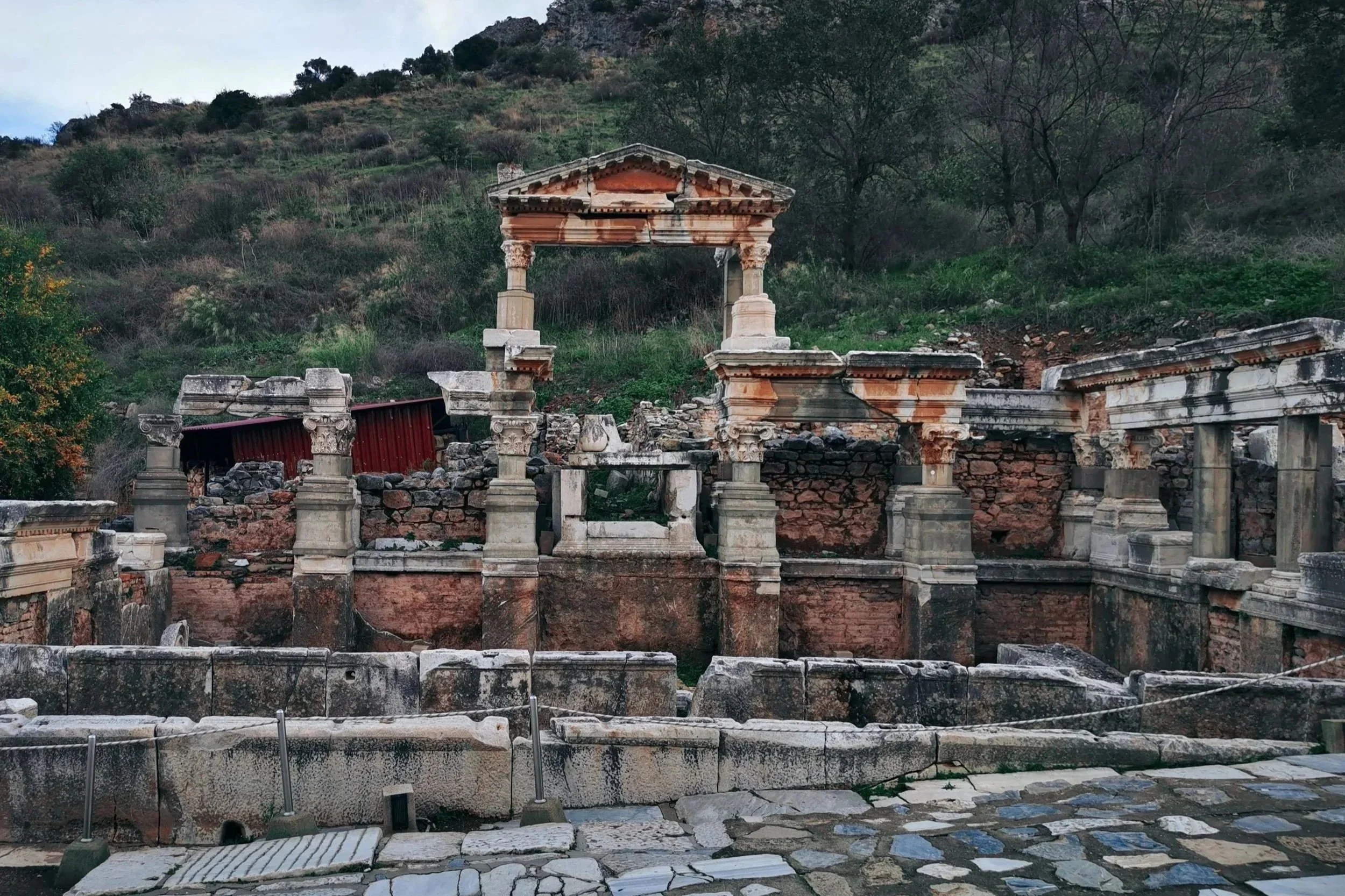
The Ruins of Ephesus
Sojourning to the ancient ruins of Ephesus may make you fall in love with a culture that stretches back 1,100 years before Christ.
Within this ancient city, you’ll marvel at the beauty of “fountains, statues, monuments, temples, a great library, residences, the agora, and the theater.” You’ll admire a population that grew to 250,000 — “the third or fourth largest city in the Roman Empire.” You’ll dream about what it sounded like, looked like, and smelled like when 25,000 people filled the Ephesian amphitheater, “the largest in the ancient world, . . . used initially for drama and later for gladiatorial combats.” You’ll gaze at the remains of “the Library of Celsus, [which] measured roughly [2,000 square feet] and . . . contained as many as 12,000 scrolls.” Ephesus “proudly boasted that it was the first and greatest metropolis of Asia.”
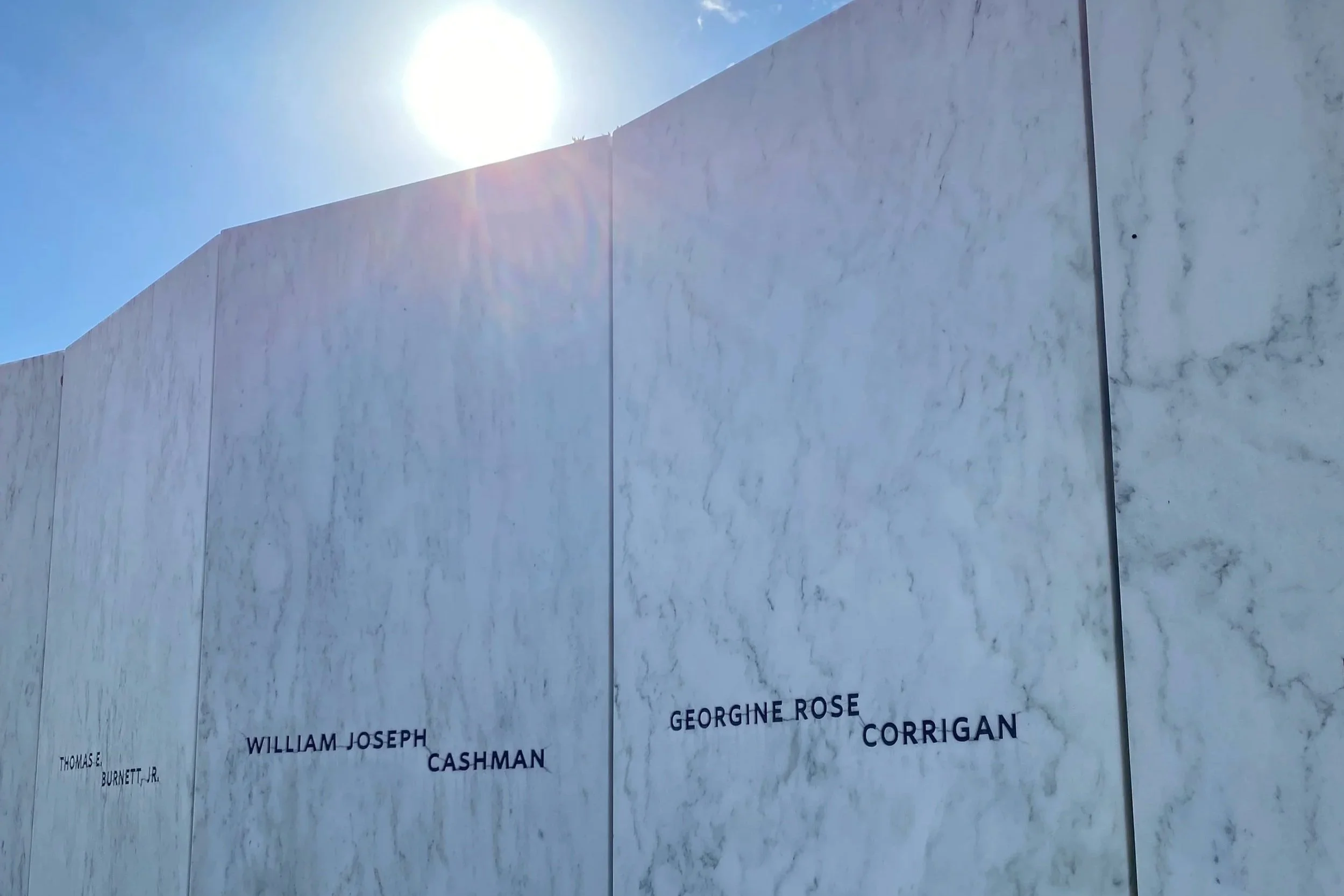
Flight 93 – 25th Anniversary of 9/11 Attack
At 10:03 AM on September 11, 2001, United Airlines Flight 93 “crashed into a field in Somerset County, Pennsylvania, near the town of Shanksville.” All 44 people on board died: 7 crew members, 33 passengers — and the four cowards who sought to crash the plane into the US Capitol.
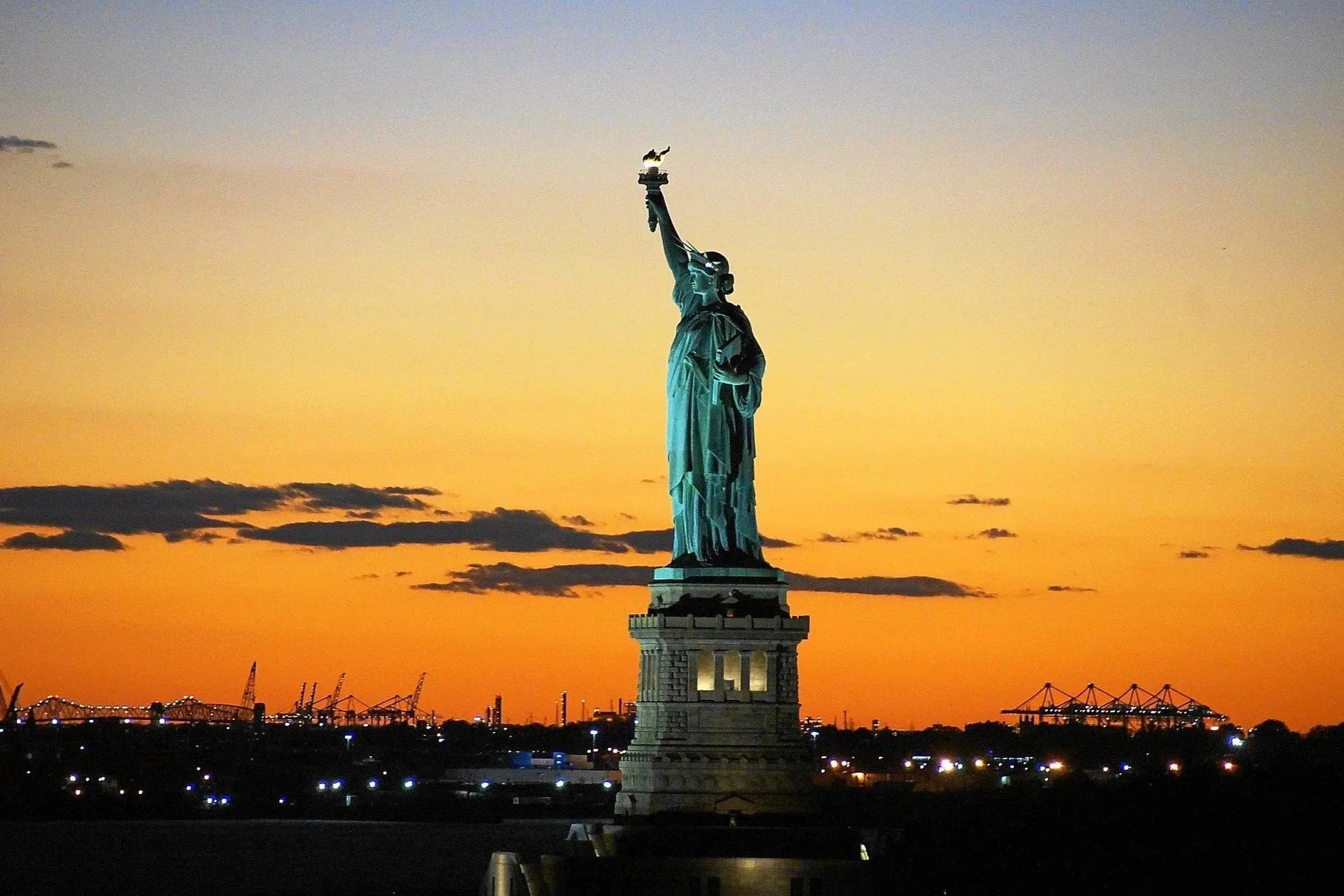
Lady Liberty – A Story of E pluribus unum
Lady Liberty “is an icon, a national treasure, and one of the most recognizable figures in the world.” Though she stands alone on Liberty Island, her story represents E pluribus unum: out of many, one. True, the statue began as the inspiration of one Frenchman — but the story of how she has come to raise her beacon of hope for 140 years tells a story that spans national borders.
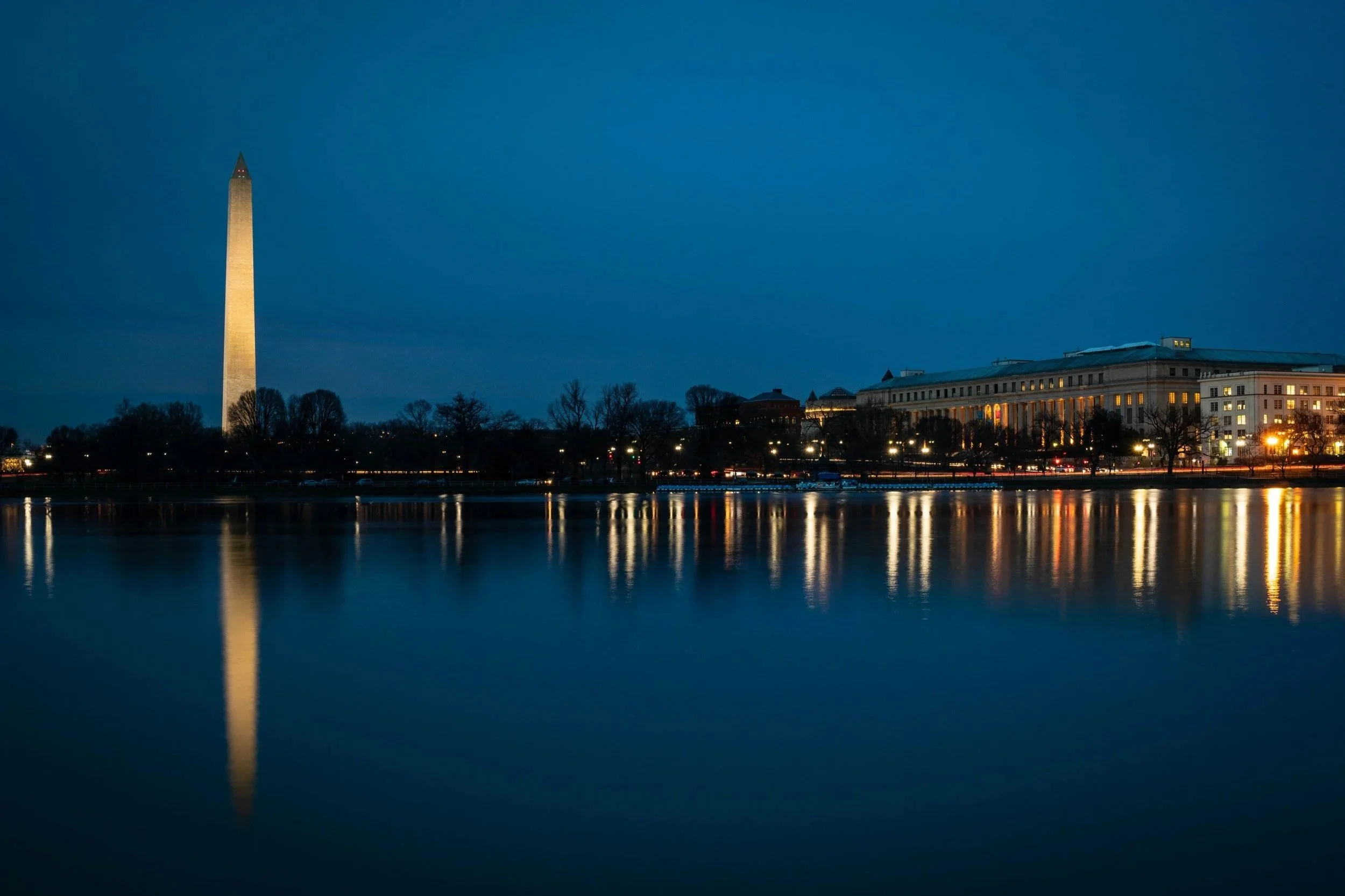
Washington Monument — The Monument that Almost Wasn’t
No sojourn to Washington, DC, is complete without paying tribute to the Washington Monument. When it opened in 1885, this Egyptian obelisk was the tallest building in the world. Standing at more than 555 feet and ⅝ an inch high, it still towers above all others in our nation’s capital today. How appropriate — for it pays tribute to a giant on whose shoulders our nation stands.
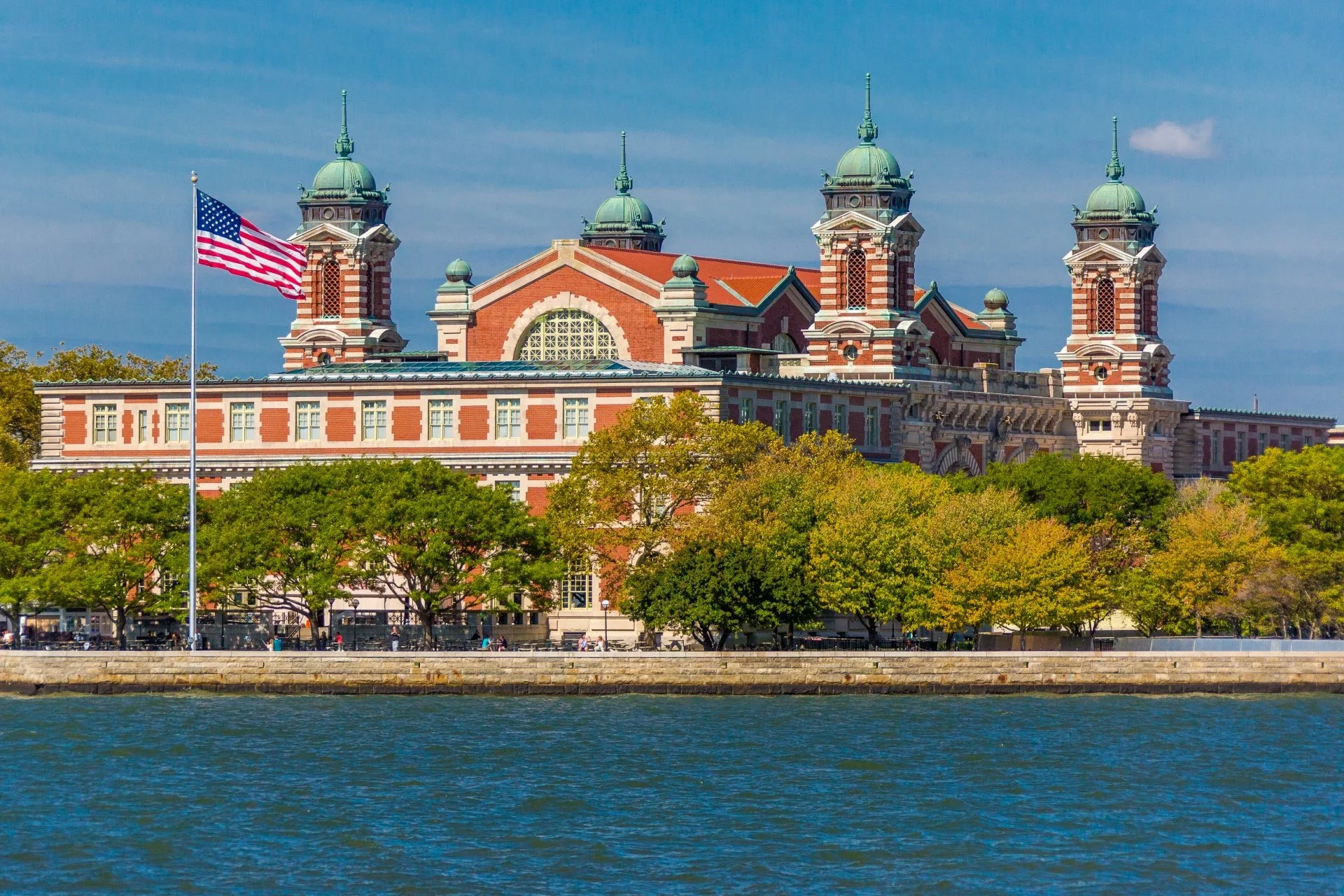
Ellis Island: The Isle of Hope
On the first day of January Eighteen Ninety-Two
They opened Ellis Island and they let the people through.
And the first to cross the threshold
Of the Isle of Hope and Tears
Was Annie Moore from Ireland
Who was all of fifteen years.
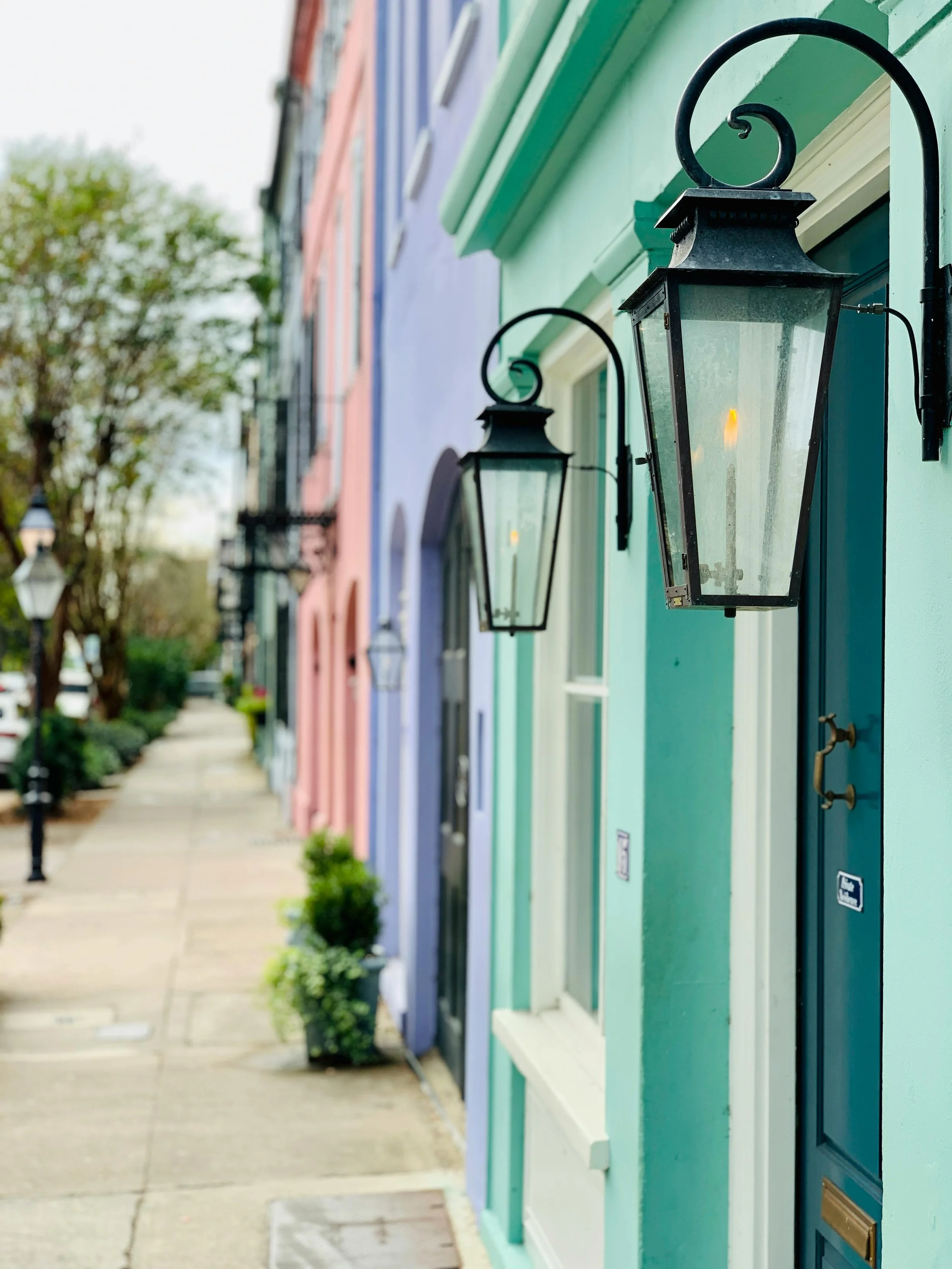
Welcome to Rainbow Row
In a scenic and historic district of Charleston, South Carolina, stand 13 brightly painted row houses that represent some of the finest real estate in the area. This Charleston district is known as Rainbow Row.
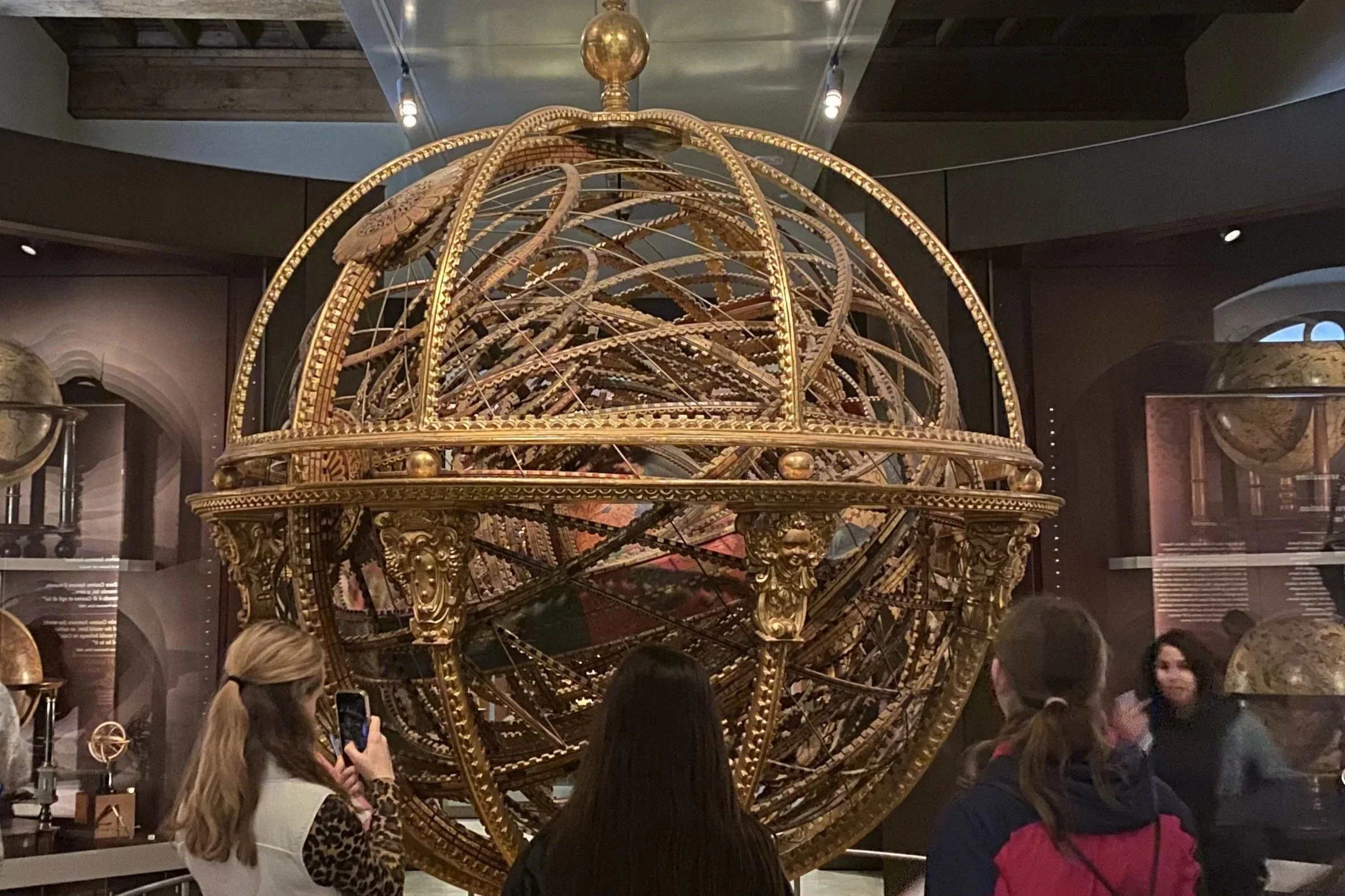
Galileo: Great Scientist and Accused Heretic
Along the Arno River in Florence, Italy, stands the Museo Galileo, honoring Galileo Galilei (1564–1642), the father of modern science. But being the patriarch of physics pales in comparison to his dogged opposition to the pope when facts collided with “faith.”
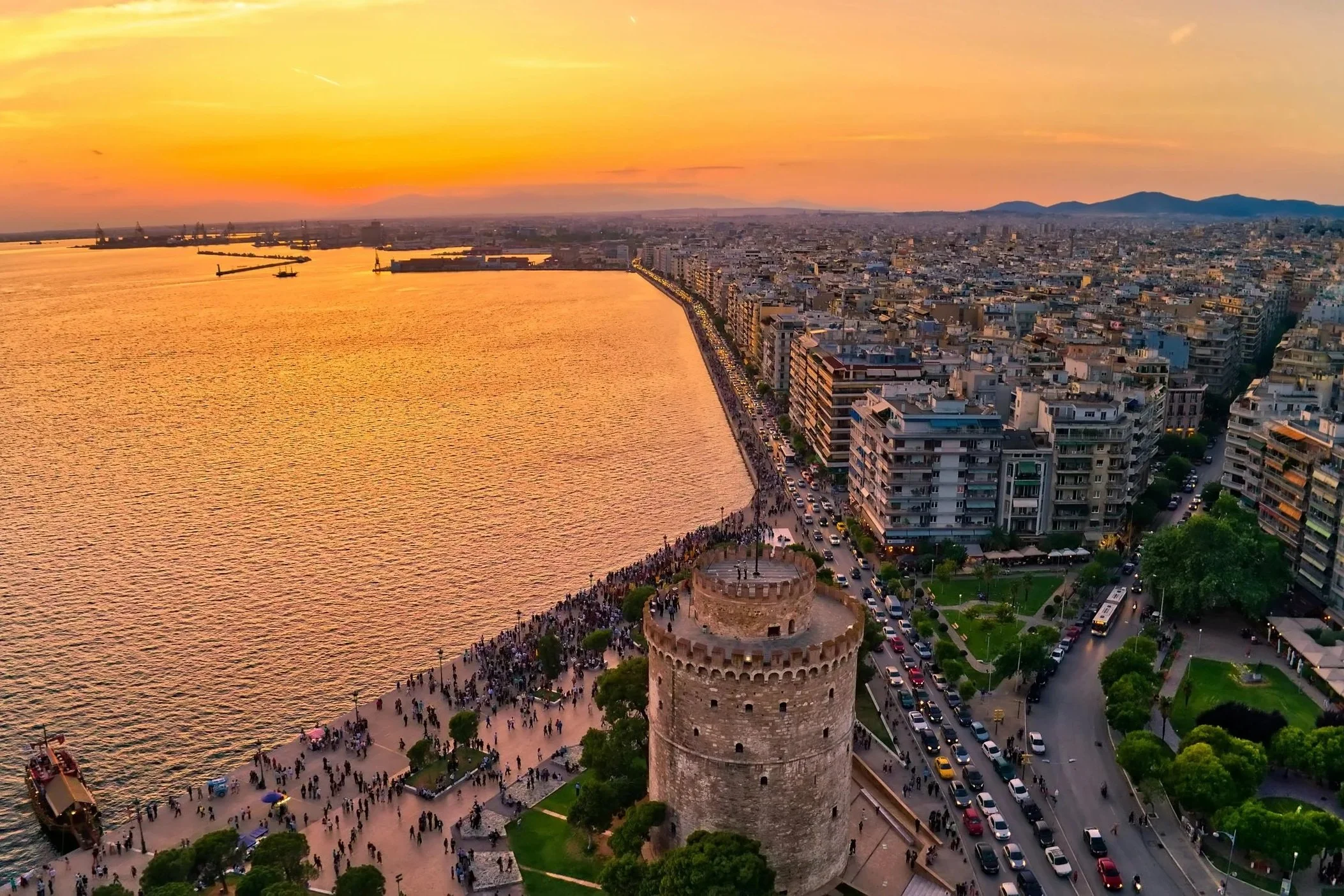
Greece: Thessaloniki and Veria (Ancient Berea)
Imagine you’re planning the trip of a lifetime to Greece. You will trace Paul’s second missionary journey — the one that began with a God-inspired vision:
When Paul had seen the vision, immediately we sought to go on into Macedonia [Greece], concluding that God had called us to preach the gospel to them. (Acts 16:10)
What took the apostle years to complete, you are going to pull off within 10 days. That means you have to make choices. There will be some sites you see and others you won’t have time for. For example, you may consider visiting either Thessaloniki or Veria, rather than both. But that’s tough, because both cities get biblical notice.
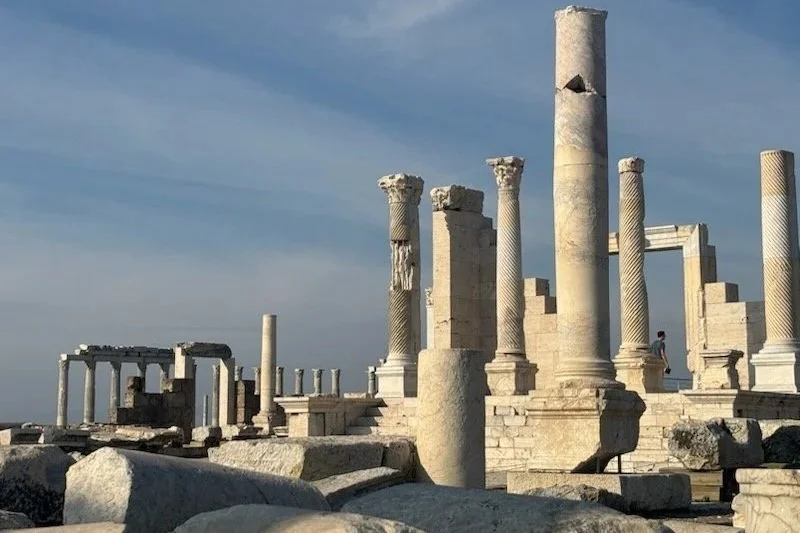
Turkey: Laodicean Ruins
In the first century AD, Laodicea in modern-day Turkey was a money-making machine. Strategically placed on major trade routes, this ancient city had developed multiple revenue streams: It operated as a banking center; produced velvety-soft, raven-black wool for its textile industry; and boasted a standout medical school.
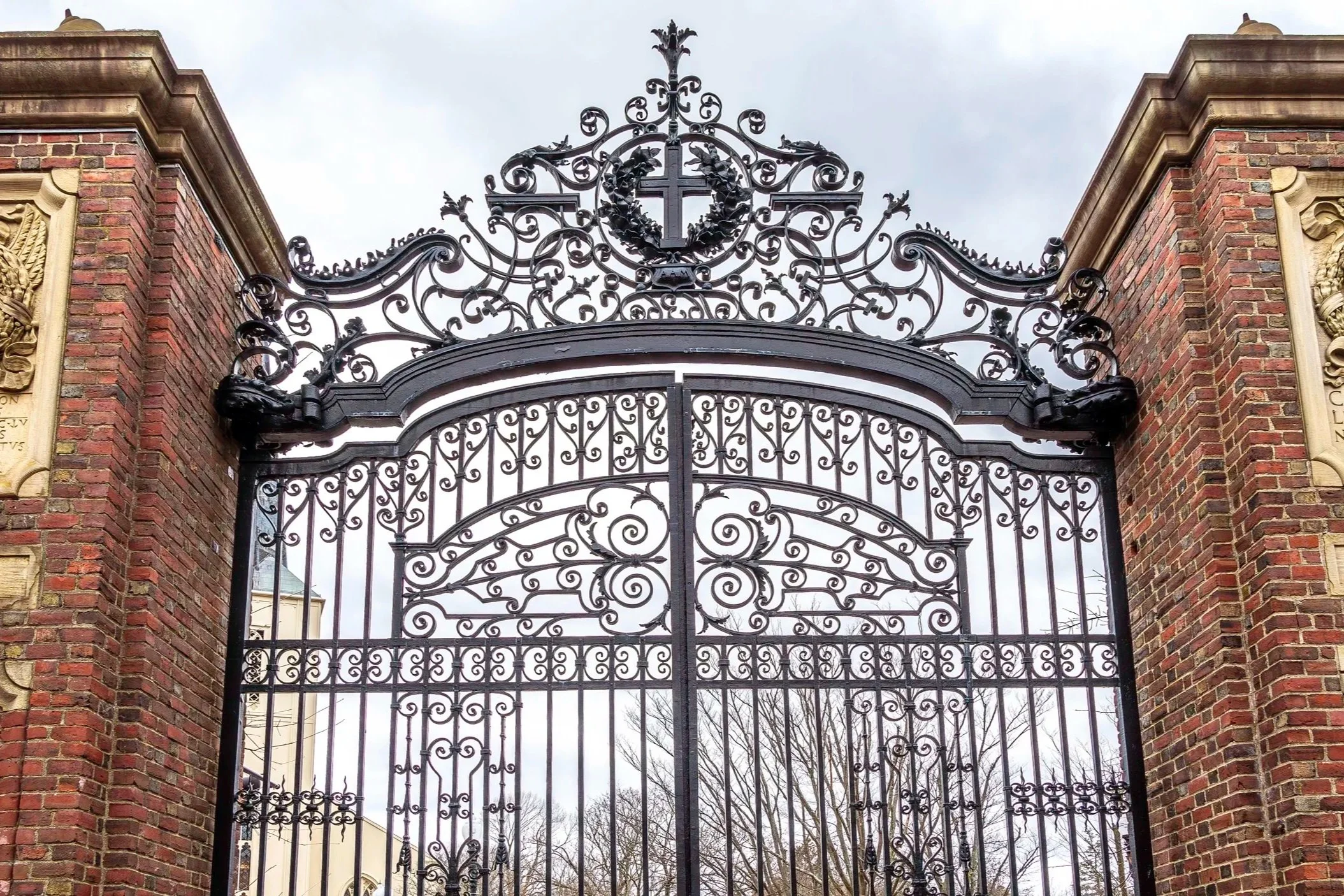
Gates of Harvard: Two Inscriptions
The Harvard gates serve as more than just points of entry around campus. These portals are “carefully wrought constructions that direct human movement and uplift everyday experience.” And most open inward rather than outward — signaling an invitation to enter.
Korean War Veterans Memorial
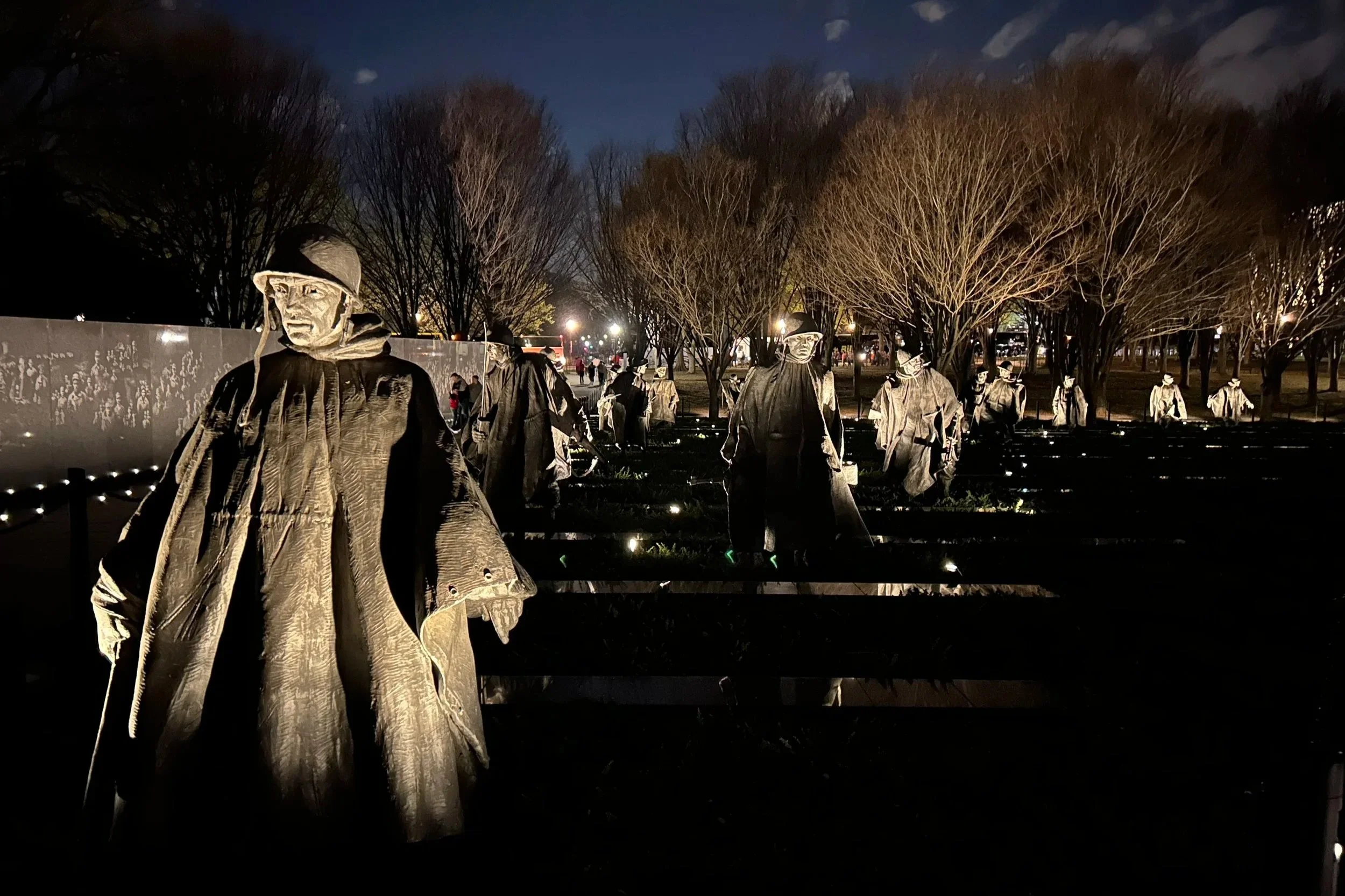
When you step onto the grounds of the Korean War Veterans Memorial in Washington, DC, you join a column of 19 American soldiers cast in stainless steel. These larger-than-life statues are on patrol, marching symbolically toward the 38th parallel. Soon you reach the marker that commemorates their sacrifice. It reads, “Our nation honors her sons and daughters who answered the call to defend a country they never knew and a people they never met.”
Middleton Place: Enslaved to “the Master”
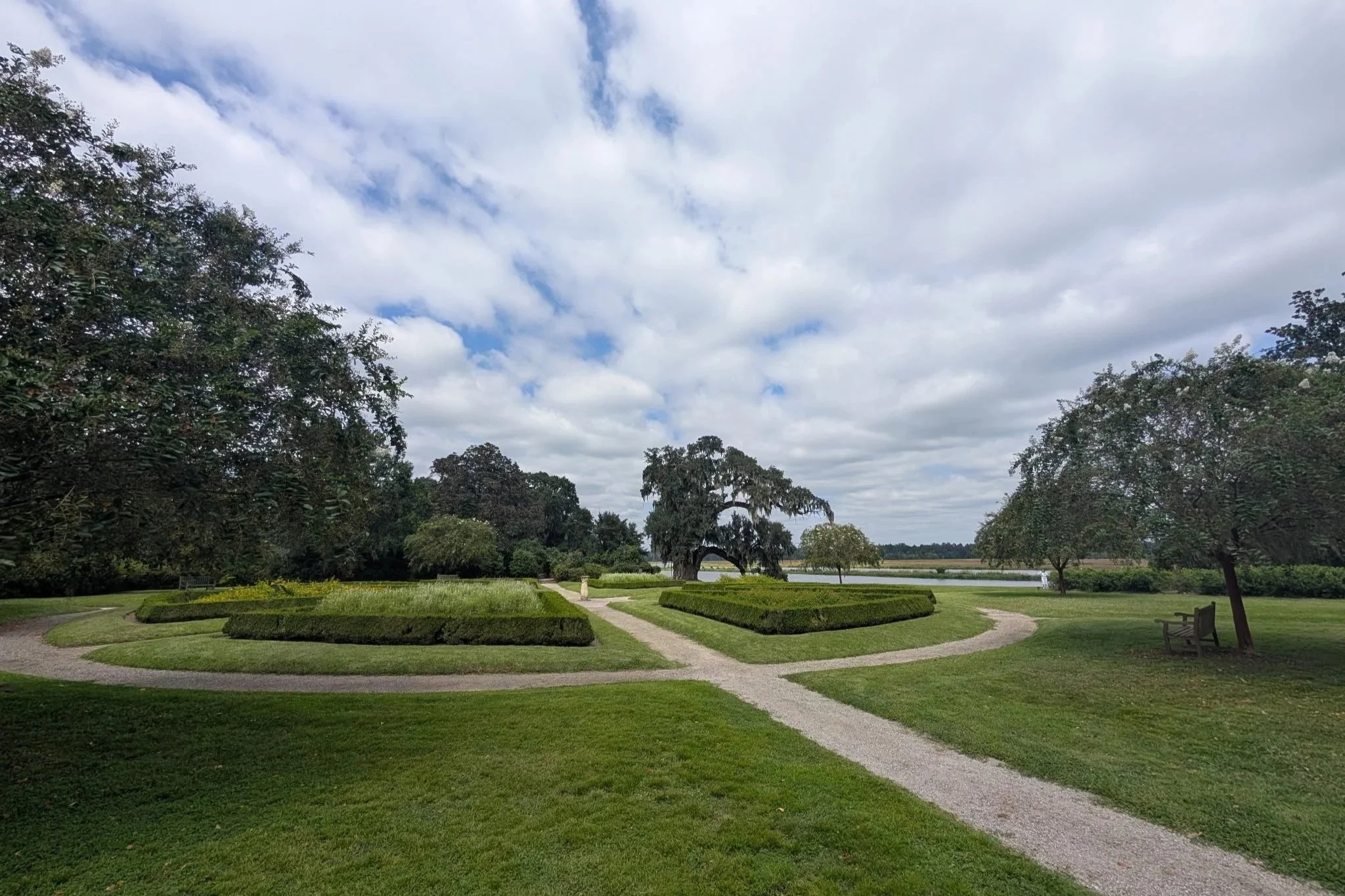
When you walk onto the grounds of Middleton Place, one of Charleston’s grand plantations, it may feel like you have walked into the pages of Margaret Mitchell’s novel Gone with the Wind. Being on a Civil War–era plantation invites you to experience the American South before, during, and after the Civil War. Because Middleton Place was home to people on each side of slavery, it allows sojourners to explore lessons found at the intersection of the two: the privileged as well as the enslaved.
Oxford: A Door to Narnia
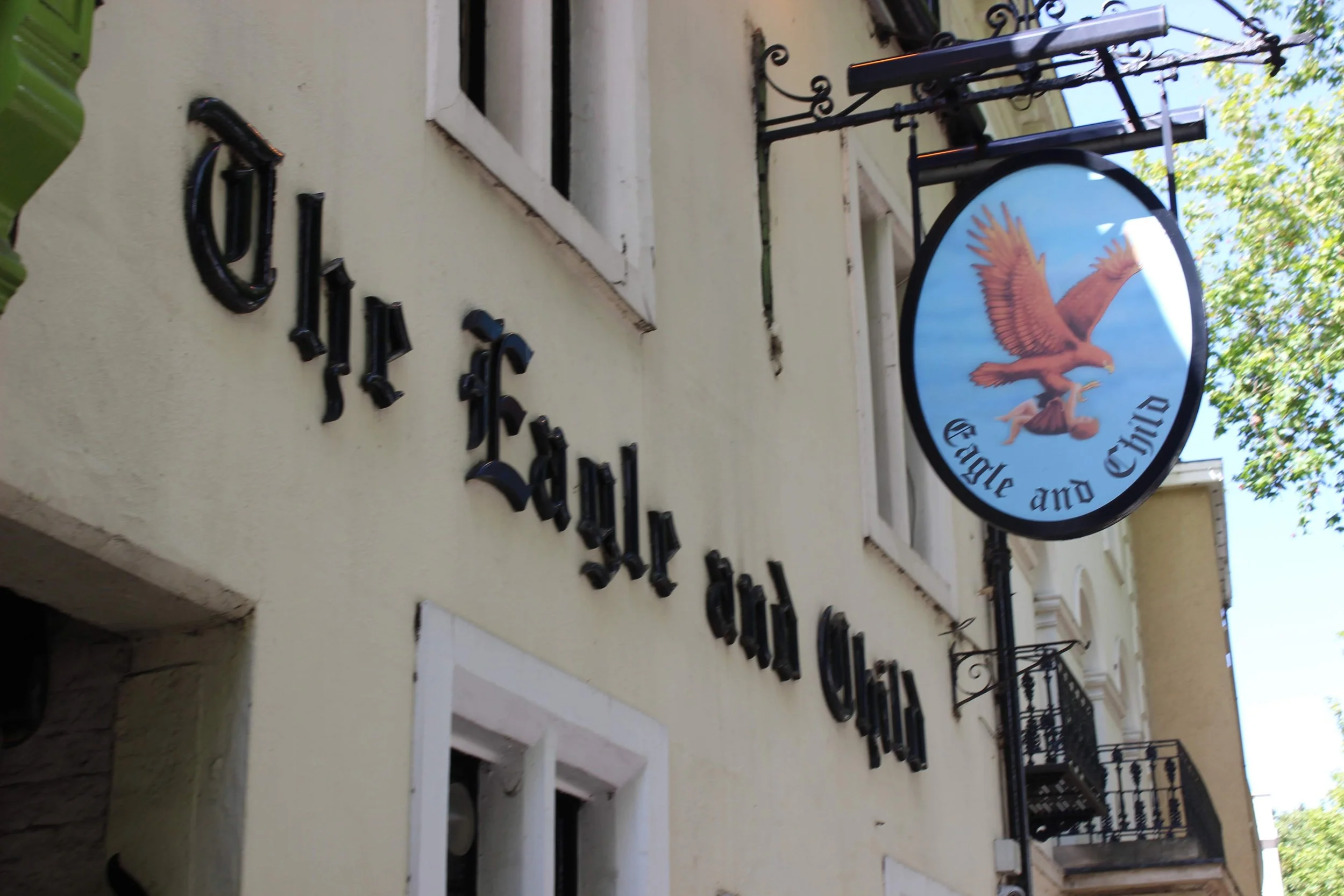
Oxford, England, is a place that breeds a keen sense of community among those who walk its streets. The town teems with professors and students, townsfolk and friends — and plenty of out-of-towners who come with a longing to belong.
Notably, many find the peculiar sense of belonging they seek when they walk into the Oxford of C. S. Lewis’s day.
Runnymede, England: The Birth of the Magna Carta
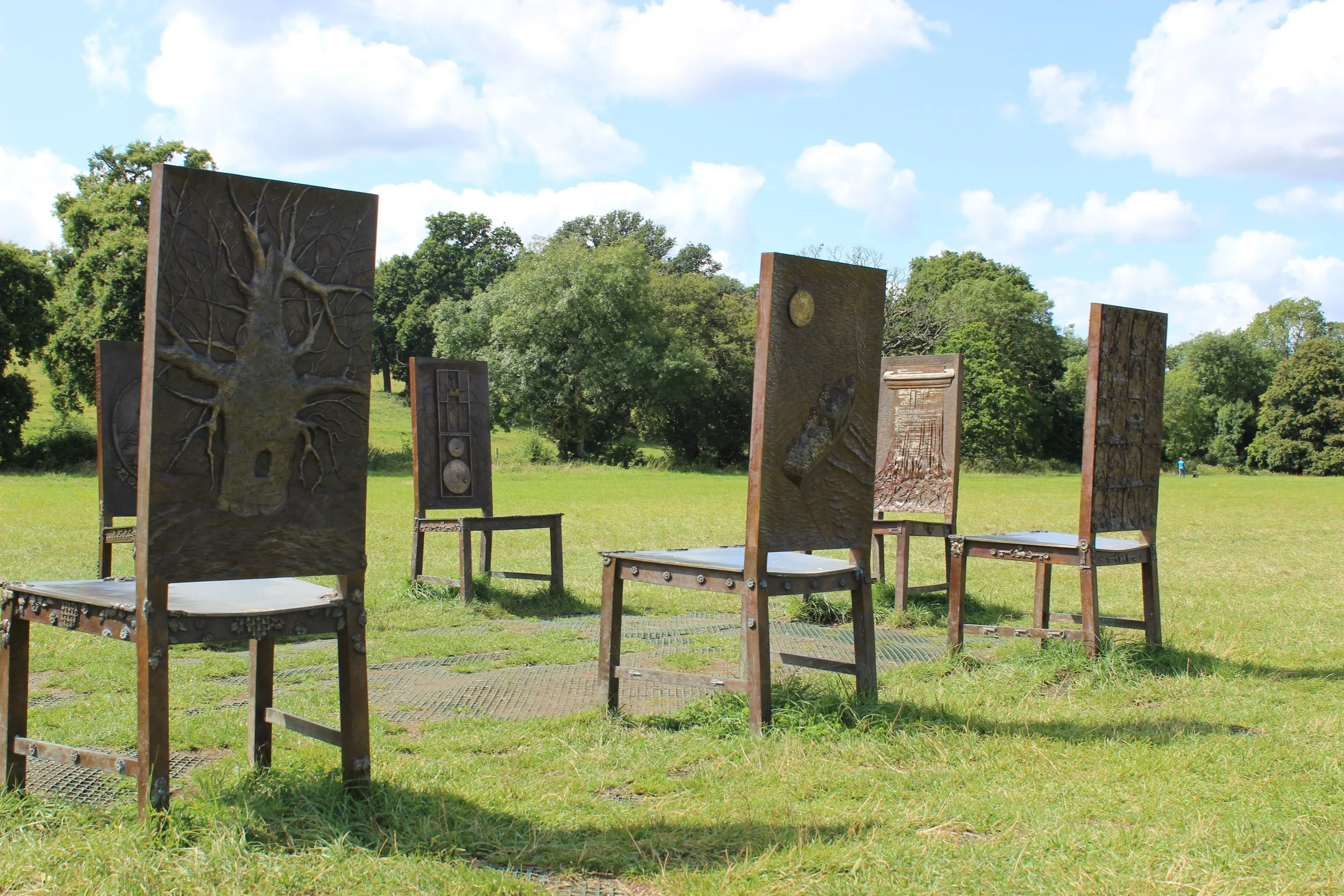
On a sloped field at Runnymede, just outside London in AD 1215, English landowners (“barons”) banded together to lay the greatest stepping stone in a millenium on the path to balancing governmental power with civil liberty. Their instrument for doing so is revered as the “Great Charter,” more commonly known as the Magna Carta.
Keep In Touch
Subscribe to the Sojourner, our email newsletter featuring destinations, upcoming sojourns, and proof of fun!
