
Greece: Thessaloniki and Veria (Ancient Berea)
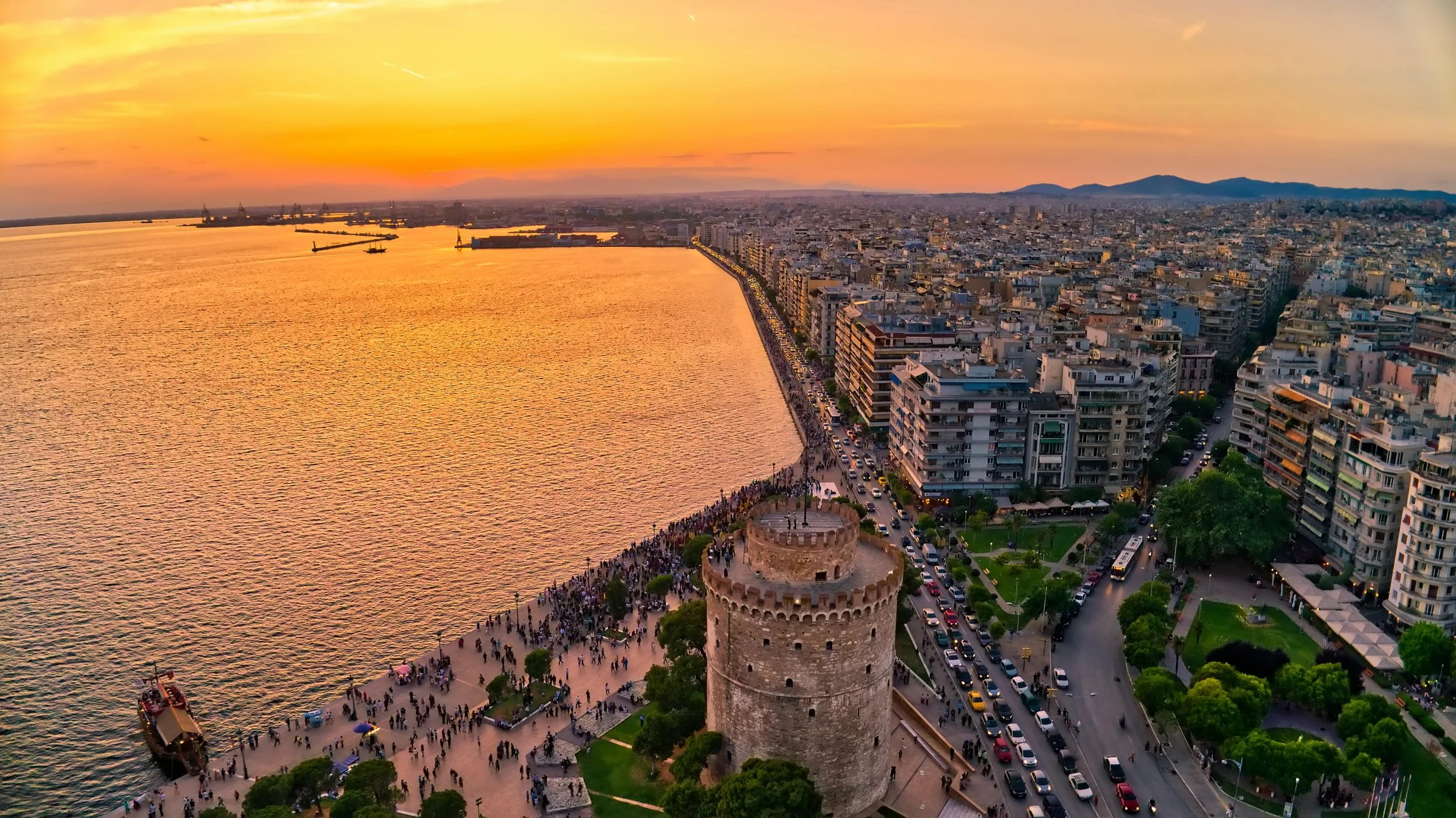
Imagine you’re planning the trip of a lifetime to Greece. You will trace Paul’s second missionary journey — the one that began with a God-inspired vision:
When Paul had seen the vision, immediately we sought to go on into Macedonia [Greece], concluding that God had called us to preach the gospel to them. (Acts 16:10)
What took the apostle years to complete, you are going to pull off within 10 days. That means you have to make choices. There will be some sites you see and others you won’t have time for. For example, you may consider visiting either Thessaloniki or Veria, rather than both. But that’s tough, because both cities get biblical notice.
Thessaloniki Versus Veria
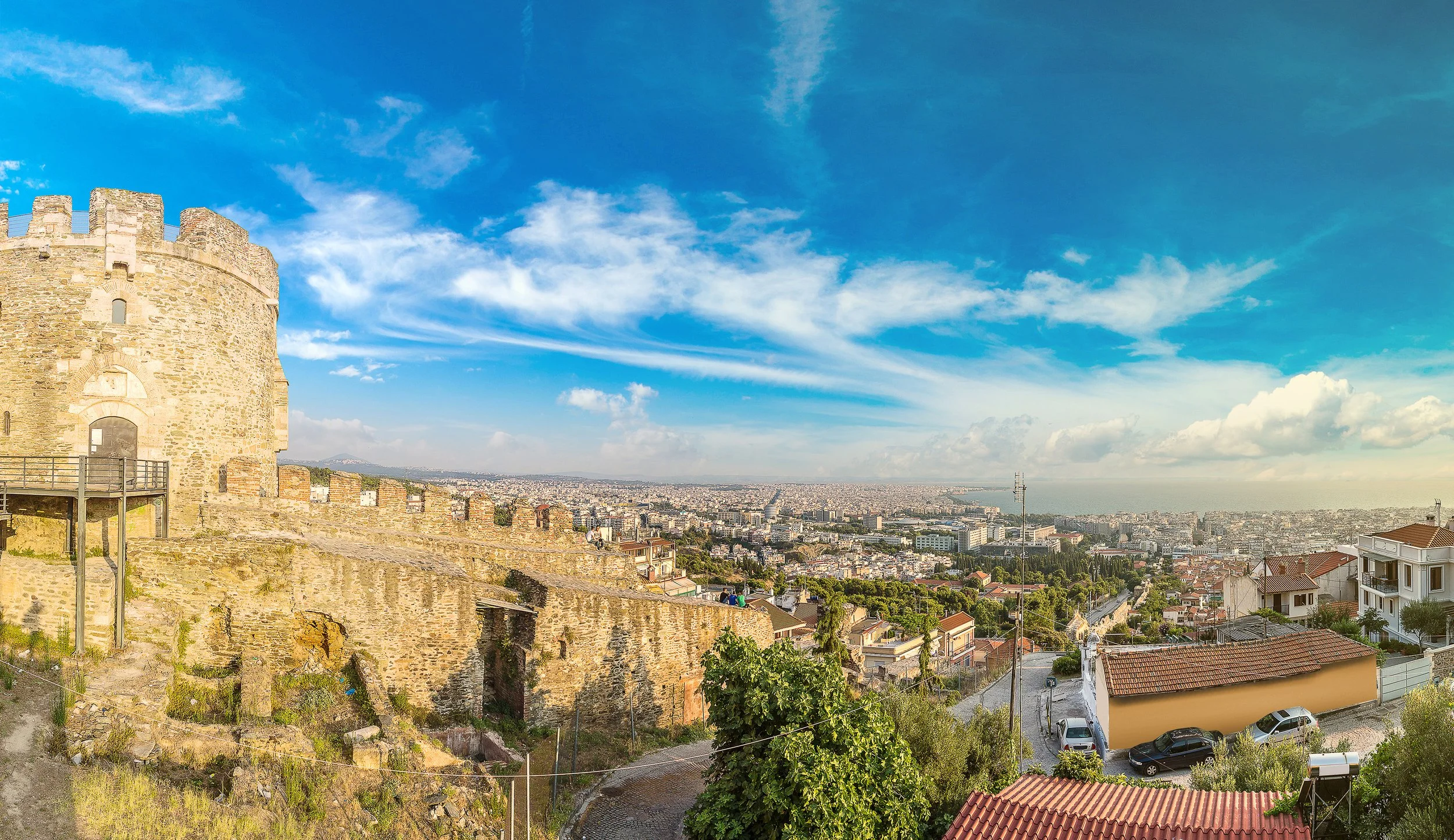
In Paul’s day, Thessaloniki was spelled Thessalonica, and Veria was Berea. Here’s what you may remember about each one: Paul didn’t address any letters to the Bereans, but he did write two letters to the Thessalonians.
No wonder. Ancient “Thessalonica was a bustling seaport city . . . [and] an important communication and trade center. . . . Its population numbered about 200,000” in the first century AD. This large city represented a large need, both numerically and spiritually. Paul had an evangelistic campaign there that rivaled a modern Billy Graham crusade. Acts 17 tells the story:
Now when they had passed through Amphipolis and Apollonia, they came to Thessalonica, where there was a synagogue of the Jews. And Paul went in, as was his custom, and on three Sabbath days he reasoned with them from the Scriptures, explaining and proving that it was necessary for the Christ to suffer and to rise from the dead, and saying, “This Jesus, whom I proclaim to you, is the Christ.” And some of them were persuaded and joined Paul and Silas, as did a great many of the devout Greeks and not a few of the leading women. (Acts 17:1–4)
But things soon turned ugly. Some of the faithful Christ followers urged Paul and Silas to flee under cover of darkness. Can you guess where they went? Berea. Scripture picks up the story in verse 10:
The brothers immediately sent Paul and Silas away by night to Berea, and when they arrived they went into the Jewish synagogue. Now these Jews were more noble than those in Thessalonica; they received the word with all eagerness, examining the Scriptures daily to see if these things were so. Many of them therefore believed, with not a few Greek women of high standing as well as men. (Acts 17:10–12)
What made the Bereans “more noble” than the Thessalonians who heard Paul’s message?
Two Noble Behaviors
Do we approach activities that cultivate spiritual growth (Bible reading, prayer, church attendance, Sunday school, tithing/giving, etc.) with noble eagerness?
While both cities saw converts to Christianity from the Hebrew people and the Greeks, Scripture elevates the people of Berea as “more noble than those in Thessalonica” (Acts 17:11). And the reasoning for this goes beyond the lack of rioting there (contrasted with the tumult of Thessalonica). When Paul began teaching in local synagogues and the Roman Forum, the Bereans had two notable reactions that set them apart: They had an eagerness 1) to receive the Word and 2) to dive deep into the Scriptures daily.
Could these dual actions serve as a litmus test for noble-mindedness today?
For example, do we approach activities that cultivate spiritual growth (Bible reading, prayer, church attendance, Sunday school, tithing/giving, etc.) with noble eagerness?
Do we use the truth of Scripture as the basis for how we live and interact with others? In other words, is Scripture the foundation for everything we think, believe, say, and do? It appears this was the modus operandi of the Bereans.
Thessalonica or Berea: Both, And
So, do you skip Thessalonica and go to Berea? Not a chance!
On your trip of a lifetime, make certain you prioritize time for both cities. Each has a distinct story from the past that may shape your future.
In the meantime, imitate each part of the Bereans’ noble-mindedness. Approach Scripture with eagerness instead of habitual obligation, and evaluate everything you hear, say, and do through the filter of God’s Word.
That’s a noble goal worth pursuing.
Want to learn the past so you can help lead the future?
Sojourn with us to discover the places, people, and principles that have shaped Western civilization!
Email us at info@leadwithsojourn.com.
1 “Thessalonica: The City and the Church,” in the NIV Study Bible (Zondervan, 1985), 1679. This commentary is based on Acts 17:1.