
Grand Canyon
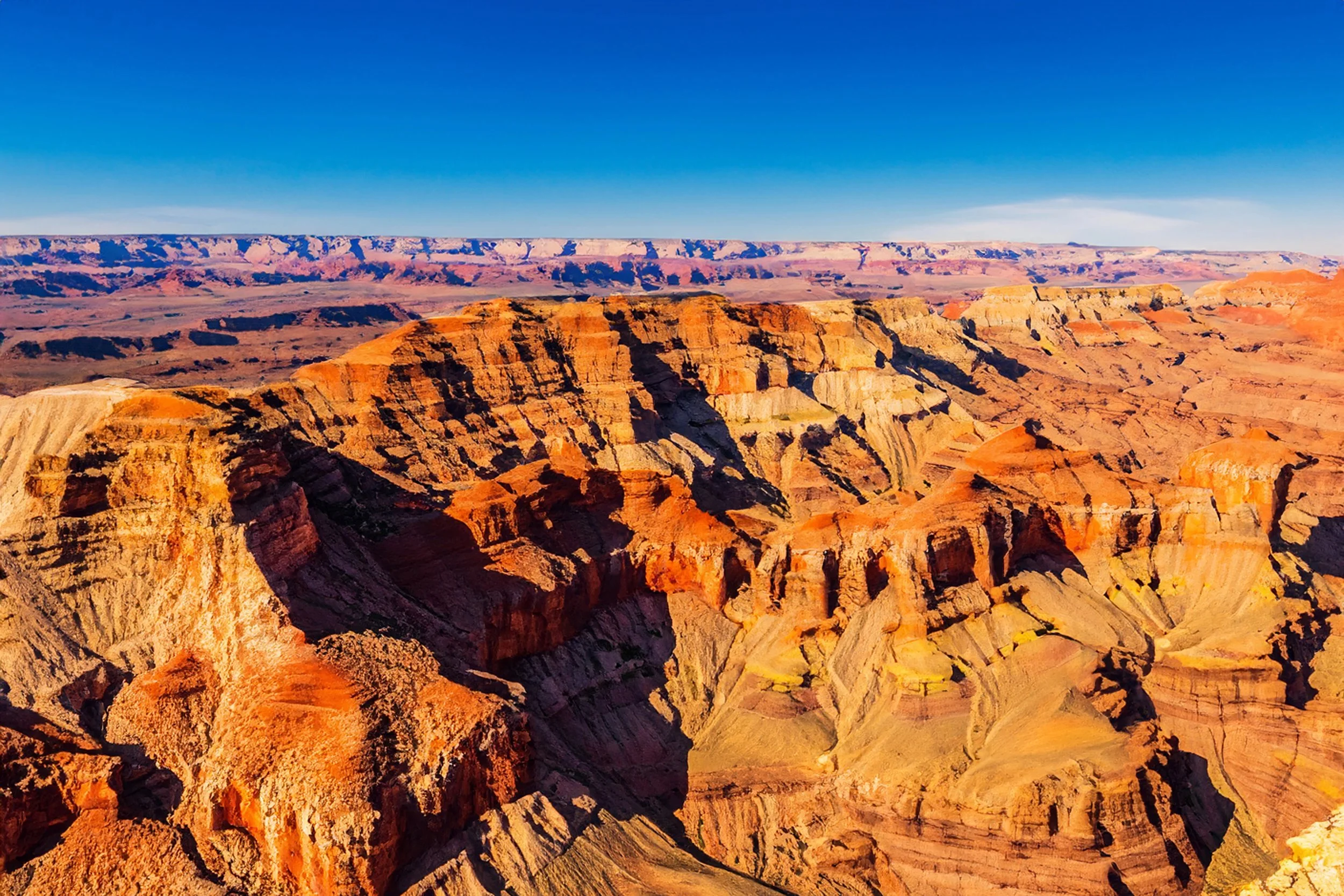
In Abundant Living, author and wilderness guide Jon Albert writes,
Approximately five million people visit the southern rim of the Grand Canyon every year. . . . People drop their jaws, gasp, cry, giggle, or laugh. . . . Most visitors stand at the precipice of the canyon’s beauty and stare into the vastness before them. As they spend their time along the rim, they come to believe they have experienced one of the Seven Natural Wonders of the World. In reality, they’ve experienced only the rim, not the canyon.1
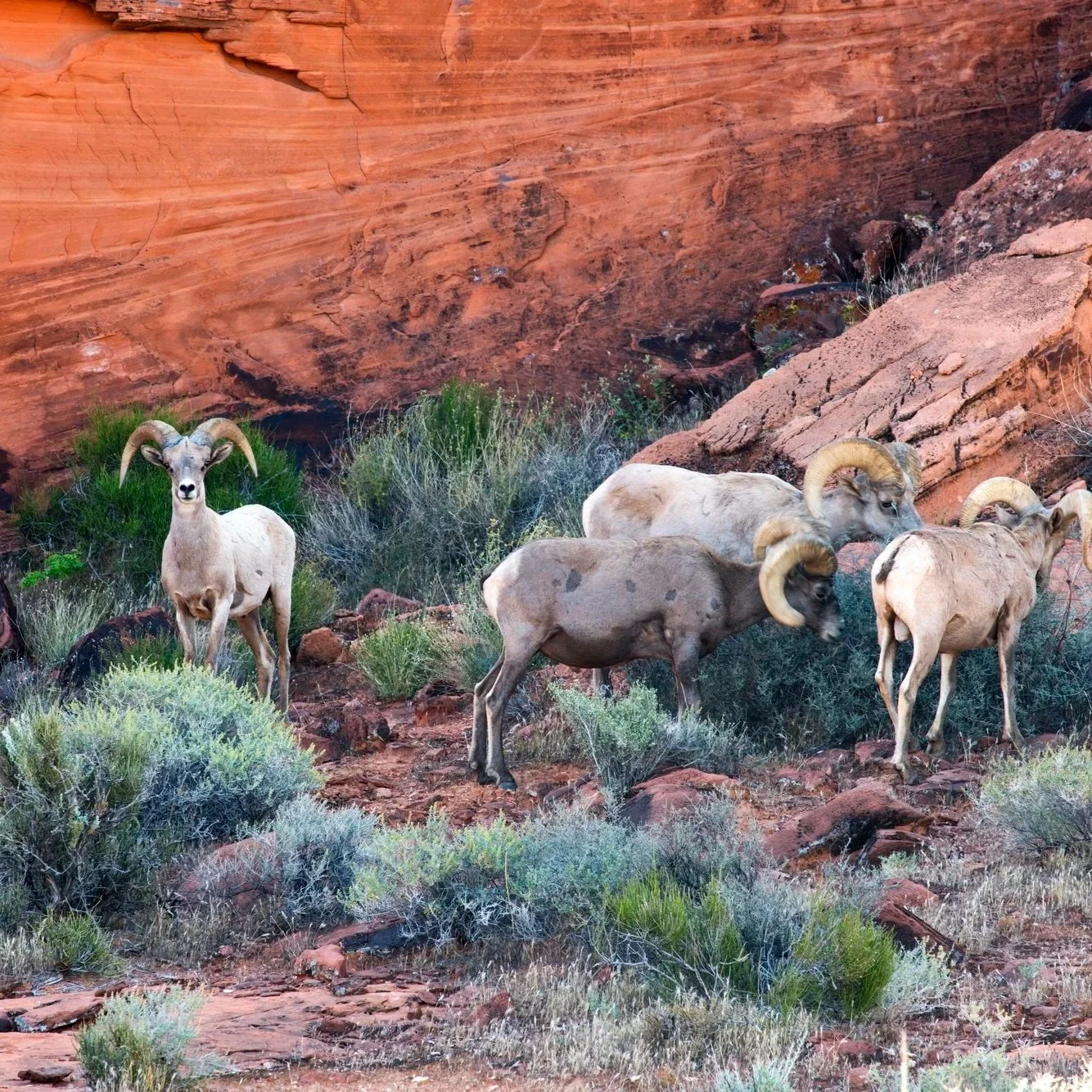
What visitors to the rim may not realize is how many different animal species live within the canyon. They may see birds flying overhead or an occasional deer in the distance, but that’s just the tip of the iceberg. The Grand Canyon is home to 447 species of birds, 91 species of mammals, 48 species of reptiles, and 10 species of amphibians. You can see elk, mule deer, coyotes, and bighorn sheep. Jays, ravens, hawks, and wild turkeys.
But don’t think those species are overcrowded. This canyon is grand in scale. From the vantage point at the rim, it’s a one-mile drop to the deepest point. That’s the equivalent of stacking five Empire State Buildings on top of one another. This canyon is vast: It’s 277 miles long and 18 miles at its widest point, covering more than 1,900 square miles in total.
Hiking Below the Rim
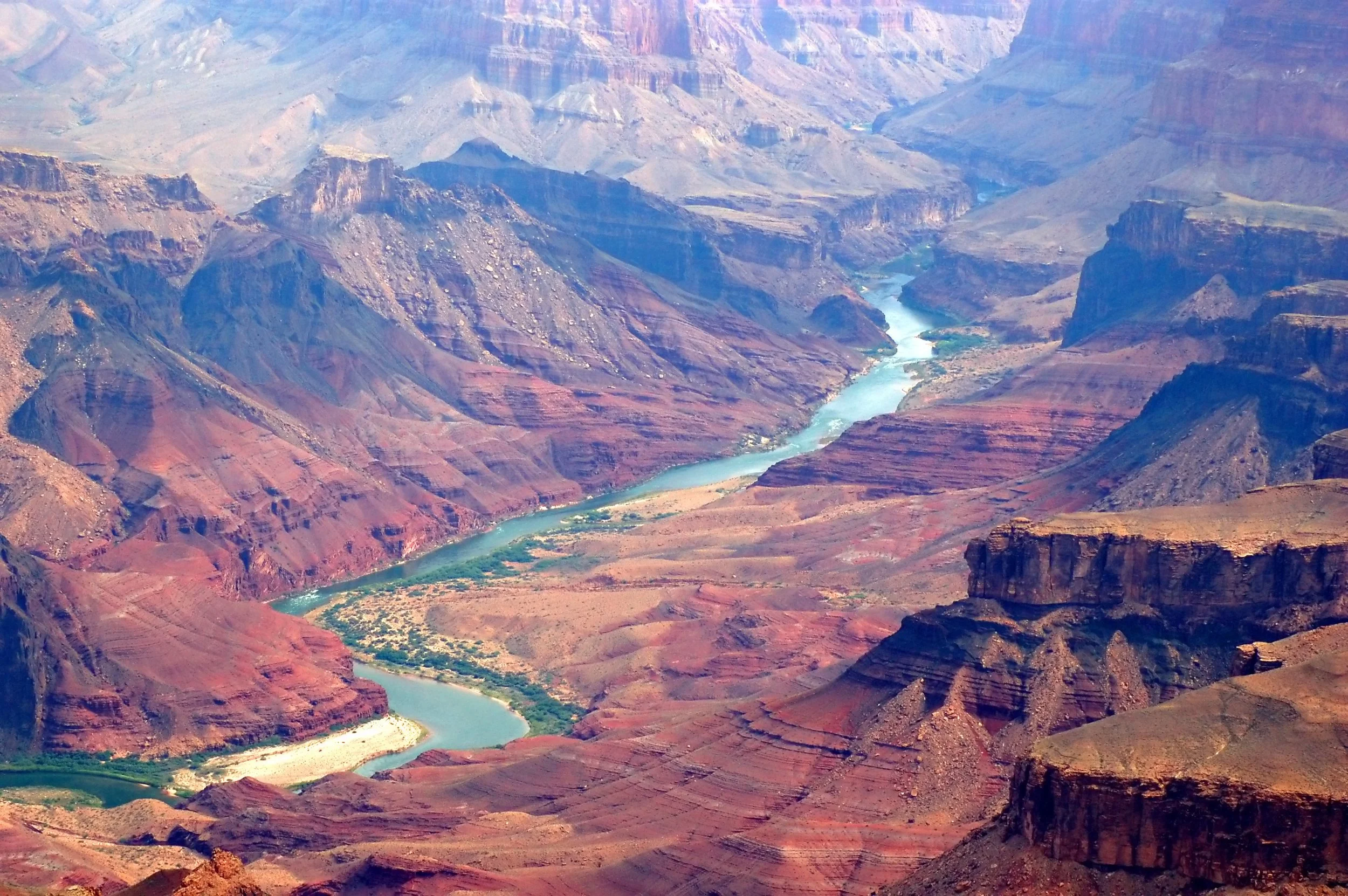
277 miles long. 18 miles wide. More than 1,900 square miles.
Those who exchange their tennis shoes for hiking boots and descend below the rim will notice their perspective change. They will see God’s bounty proclaimed in His created beauty. A journey below the rim invites hikers to perceive the landscape up close and personal. The canyon comes alive. Even the rocks reveal a topography impacted by the Flood, when God remade His world. Shades of color leap off the terrain. Texture reaches out from the rocks. Below-the-rim hikers experience the Grand Canyon in a way that rim viewers cannot.
But hikers must beware. Those who follow the trail below the rim will find the road treacherous. Without proper conditioning and guidance (which Sojourn provides!), their legs may burn. Their lungs may cry foul. Their bodies may become dehydrated. Exhaustion is the price to pay to discover up close and personal why the Grand Canyon deserves to be called “grand.”
Worth the Sojourn
Traveling to the Grand Canyon with your hiking boots ready is more than an exercise that will test your physical stamina. Hiking the canyon will also exercise your worldview. You’ll be invited to compare theories that measure the canyon rock’s longevity in billions of years against the belief of creation by an eternal God. It will stretch you to examine the logic of an ever-evolving variety of species over millions of years contrasted against the truth of a Creator who spoke a diverse universe into existence.2
Hiking the canyon will reveal what is true, good, and beautiful as much as what is grand.
Hiking below the rim will take your breath away—but not simply because the journey is arduous. Trekking down a trail that descends the distance equal to the combined height of several skyscrapers will reveal what is true, good, and beautiful as much as what is grand. In all the right ways, you will never recover from experiencing this natural wonder of the world.
Want to learn the past so you can help lead the future?
Sojourn with us to discover the places, people, and principles that have shaped Western civilization!
Email us at info@leadwithsojourn.com.